What it is
A gold-standard mouth antiseptic that dentists have trusted for decades.
Science · Ingredient
Bisbiguanide antiseptic
Ingredient profiles describe what an ingredient is and why it is used in formulations. They are not efficacy claims.
A gold-standard mouth antiseptic that dentists have trusted for decades.
It clings to teeth and gums and keeps working long after you rinse, keeping plaque-forming germs in check. On the skin it is a trusted antiseptic: in feminine antiseptic washes it helps eliminate germs and yeasts. As a skin cleanser it also helps against acne bacteria.
Cationic bisbiguanide antiseptic. It binds to the negatively charged bacterial cell surface and disrupts the cytoplasmic membrane (bacteriostatic at low, bactericidal at higher concentrations), and it adsorbs to the pellicle and oral mucosa, giving prolonged activity (substantivity). In a Cochrane review of 51 trials, chlorhexidine rinse used with mechanical oral hygiene produced a large reduction in plaque at 4–6 weeks and at 6 months; the reduction in mild gingivitis was small, and extrinsic tooth staining increased with use for 4 weeks or longer.
§ Skin and genital antiseptic: chlorhexidine digluconate is a standard skin antiseptic with broad activity against bacteria and yeasts and residual activity on skin; it is inactivated by anionic surfactants (soap) and must be kept away from the eyes and middle ear. Rare immediate hypersensitivity, including anaphylaxis, is described.
§ Acne: a chlorhexidine gluconate skin cleanser reduced acne lesions in a controlled study, supporting its use as an adjunct cleanser for acne-prone skin.
Riviera products
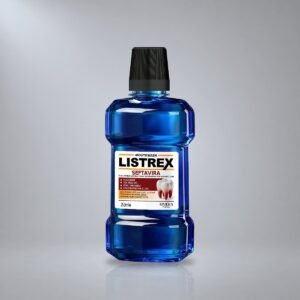

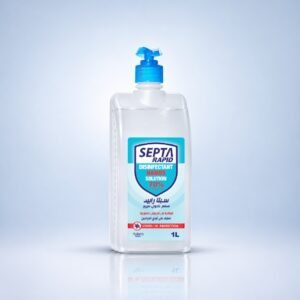
Solutions
Popular