What it is
A natural extract from the sweet root of the licorice plant, valued for calming red, irritated skin.
Science · Ingredient
botanical extract, anti-inflammatory
Ingredient profiles describe what an ingredient is and why it is used in formulations. They are not efficacy claims.
A natural extract from the sweet root of the licorice plant, valued for calming red, irritated skin.
Licorice root is like a cool hand on a flushed brow: it helps tone down redness and the itch that comes with it. In a soothing scalp shampoo it brings a gentle calming touch to an irritated, eczema-prone scalp. In a facial sunscreen it helps keep the skin tone even while the filters protect it from the sun.
Extract of the root of Glycyrrhiza glabra. Its best-known constituents are the triterpene saponin glycyrrhizin (glycyrrhizic acid) and its aglycone glycyrrhetinic acid, together with flavonoids such as glabridin and liquiritin. Glycyrrhetinic acid has a steroid-like anti-inflammatory profile, partly attributed to inhibition of 11β-hydroxysteroid dehydrogenase and of inflammatory mediators.
§ Pharmacology: reviews report anti-inflammatory, antioxidant, antimicrobial and skin-calming activities for licorice and its constituents, largely from laboratory and animal studies.
§ Clinical: in a double-blind, placebo-controlled study in atopic dermatitis, a topical licorice gel applied for two weeks reduced erythema, oedema and itching scores more than placebo.
§ Evidence limits: human data are few and short-term, and results from purified glycyrrhetinic acid preparations cannot be transferred directly to whole-root extracts.
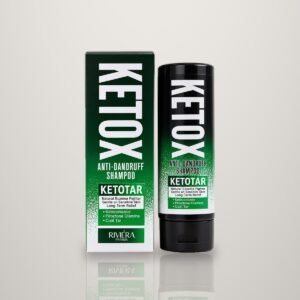
In a rinse-off scalp shampoo it is included as a soothing botanical that helps calm redness and itch on irritated, eczema-prone skin.
§ Facial sun care: glabridin from licorice inhibits tyrosinase and reduced UVB-induced pigmentation and inflammation in laboratory and animal models (Yokota 1998); in a sunscreen it supports an even tone alongside UV protection.
Riviera products

Solutions
Popular