What it is
A dark, smoky-scented tar made by slowly heating pine wood, used on itchy, flaky skin for centuries.
Science · Ingredient
botanical tar (wood tar), antipruritic, keratoplastic
Ingredient profiles describe what an ingredient is and why it is used in formulations. They are not efficacy claims.
A dark, smoky-scented tar made by slowly heating pine wood, used on itchy, flaky skin for centuries.
Pine tar is an old-world comfort for restless skin: it helps quiet the urge to scratch and loosens stubborn flakes so the scalp can settle. In a soothing scalp shampoo it works in the background, calming itch and softening scale while the cleansing and care ingredients do their part.
Pine tar (Pix pini) is a dark, viscous wood tar obtained by dry (destructive) distillation of pine wood. It is chemically distinct from coal tar, and modern grades are refined to reduce phenols and other potentially harmful components. Tars are traditionally described as antipruritic, keratoplastic and antiproliferative: they are thought to slow epidermal DNA synthesis and cell division, helping scaly skin return towards normal keratinisation.
§ Itch and inflammation: reviews describe antipruritic, anti-inflammatory, antibacterial and antifungal activity, which explains its long use in eczema, psoriasis and seborrhoeic dermatitis.
§ Evidence limits: most supporting data are old, small or uncontrolled, and much of the modern tar literature concerns coal tar; well-designed trials of pine tar alone in atopic dermatitis are lacking.
§ Regulatory view: the US FDA lists pine tar among ingredients without sufficient data to be recognised as an OTC dandruff, seborrhoeic dermatitis or psoriasis active.
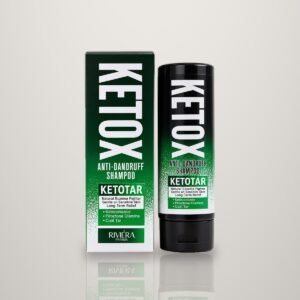
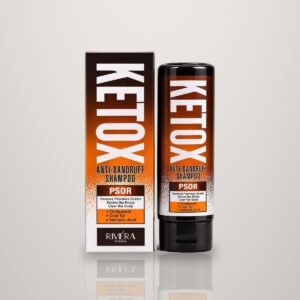
In a rinse-off scalp shampoo it serves as a traditional itch-calming and scale-softening component alongside the antifungal actives, not as a stand-alone treatment.
Riviera products
Solutions
Popular