Oral health5 min read · 5 references
Oral hygiene basics: where mouthwash fits
Mouthwash can complete a good routine but never replaces brushing. Learn what the evidence says and how to use a mouthrinse the right way.
A fresh mouth feels good, but good oral hygiene is about more than fresh breath. According to the World Health Organization, oral diseases such as tooth decay and gum disease affect close to 3.5 billion people worldwide, and most of them are largely preventable with simple daily habits [1].
The foundation: brushing and cleaning between teeth
Dental plaque is a soft, sticky film of bacteria that forms on teeth every day. Left in place, it can harden into tartar and contributes to decay and gum problems. Removing it mechanically is the core of oral hygiene:
- Brush twice a day for about two minutes with a fluoride toothpaste. Spit out the excess but avoid rinsing heavily with water straight after, so some fluoride stays on the teeth.
- Clean between your teeth once a day with floss, interdental brushes or another cleaner. A toothbrush cannot reach these surfaces well.
- Limit sugary food and drinks, especially between meals.
- See a dentist regularly, even when nothing hurts.
What mouthwash can and cannot do
Mouthrinses are a useful extra step, not a replacement for the brush. The American Dental Association separates them into two broad groups [2]:
- Cosmetic rinses freshen breath for a while and leave a pleasant taste, but do not address the causes of oral problems.
- Therapeutic rinses contain active ingredients intended for a specific purpose, such as fluoride to help strengthen enamel or antimicrobial agents that reduce plaque bacteria. Their use and claims depend on how they are regulated.
The evidence differs by ingredient:
- Fluoride rinses have been shown to reduce tooth decay in children and adolescents when used regularly [3].
- Chlorhexidine rinses reduce plaque and gum inflammation when added to normal brushing, but can stain teeth and alter taste with prolonged use, so they are usually used for limited periods on professional advice [4].
- Hydrogen peroxide rinses are used for an oxygenating, cleansing feel. Reviews of the available studies found that their effect on plaque and gum inflammation is not consistent, so they should be seen as a complement to brushing rather than a stand-alone treatment [5].
- Essential oils, menthol and xylitol mainly contribute freshness and taste; xylitol is also non-fermentable by mouth bacteria.
How to use a mouthwash correctly
1. Read the label first. Check the age range, whether the rinse is ready to use or must be diluted, and how often it can be used.
2. Measure the dose with the cap. More is not better.
3. Swish for the time stated, usually 30 seconds to one minute, moving the liquid around the teeth and gums.
4. Spit it out. Never swallow mouthwash.
5. Time it sensibly. Some dentists suggest using a rinse at a different time from brushing, so the fluoride from toothpaste is not washed away straight after.
6. Keep it away from young children unless the product is made for them and used under supervision.
Bad breath: a common worry
Most bad breath starts in the mouth: food debris, plaque along the gums and a coating on the back of the tongue. Cleaning the tongue, drinking water, not smoking and treating dry mouth often help more than a strong rinse. A mouthwash can mask odour for a few hours; if bad breath persists despite good hygiene, see a dentist, because it can have other causes.
Special situations
People with braces, implants, bridges or limited hand movement may find a rinse a helpful addition, together with tools such as interdental brushes. Smokers should know that tobacco is one of the major risk factors for gum disease and oral cancer [1]; no mouthwash offsets that risk, and stopping smoking is the most effective step.
When to see a dentist
Book a visit if you notice bleeding gums, persistent bad breath, tooth sensitivity, a sore or ulcer that does not heal within two weeks, loose teeth, or pain when chewing.
Where Riviera fits
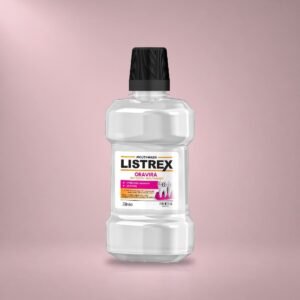
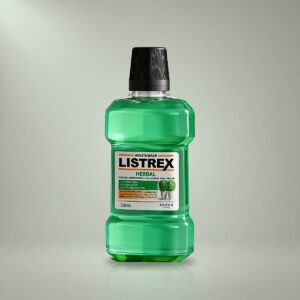
The LISTREX family of mouthwashes offers different formulas and flavours for the final step of your routine. Each product page lists the ingredients and directions. Explore LISTREX Oravira™, LISTREX Herbal™ and the Oral Health range.
Riviera Pharma
How Riviera can help
Meet the ingredients
ProfessionalA scientific summary for pharmacists and physicians; references are published and verified on PubMed.
References
- 1World Health Organization. Global oral health status report: towards universal health coverage for oral health by 2030. Geneva: WHO; 2022.
- 2American Dental Association. Oral Health Topics: Mouthrinse (Mouthwash). ada.org, ADA Library.
- 3Marinho VCC, Chong LY, Worthington HV, Walsh T. Fluoride mouthrinses for preventing dental caries in children and adolescents. Cochrane Database Syst Rev. 2016;7:CD002284.
- 4James P, Worthington HV, Parnell C, et al. Chlorhexidine mouthrinse as an adjunctive treatment for gingival health. Cochrane Database Syst Rev. 2017;3:CD008676.
- 5Hossainian N, Slot DE, Afennich F, Van der Weijden GA. The effects of hydrogen peroxide mouthwashes on the prevention of plaque and gingival inflammation: a systematic review. Int J Dent Hyg. 2011;9(3):171–181.
Found it useful? Share it with someone who cares
Reviewed by: Riviera Pharma Scientific Affairs Team. General information, not medical advice. This article does not replace a consultation with a dentist or pharmacist.