Infection control5 min read · 3 references
Clinical-contact surfaces between patients: clean, disinfect, wait
Light handles, chair controls and trays are touched during every treatment. Here is the order that makes surface disinfection work, and why contact time matters.
During treatment, gloved hands touch the light handle, chair controls, the instrument tray and the switches of the dental unit. These are called clinical-contact surfaces, and they can carry contamination to the next patient.
Two ways to protect a surface
- Barriers: plastic covers for surfaces that are hard to clean, such as switches and handles. They are changed between patients.
- Cleaning and disinfection: for surfaces without barriers, between every patient.
The right order
1. Clean first when soil is visible. Blood, saliva and dust protect microorganisms and weaken many disinfectants.
2. Apply the disinfectant on a compatible surface by spraying or wiping, as the label directs.
3. Wait for the contact time. The surface must stay visibly wet for the full time written on the label. Wiping it dry early shortens the contact time.
4. Let it dry in the air unless the label says otherwise.
Choosing a product
- Ready-to-use sprays and wipes save time between patients and avoid dilution errors.
- Alcohol-based products act quickly and dry fast, but they are flammable and can damage some materials such as acrylic glass. Test on a small hidden area first.
- Alcohol-free products, based on quaternary ammonium compounds or polyhexanide, suit materials that do not tolerate alcohol.
Housekeeping surfaces
Floors, walls and sinks carry a lower risk of direct transmission. They are cleaned regularly with a detergent or a low-level disinfectant, and promptly when contaminated with blood.
Where Riviera products fit
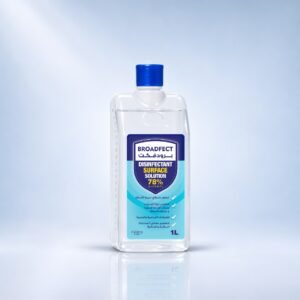
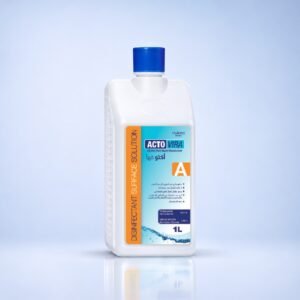
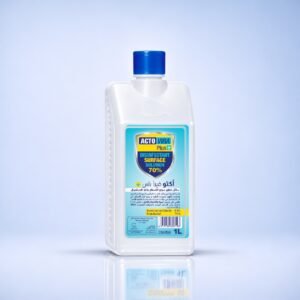
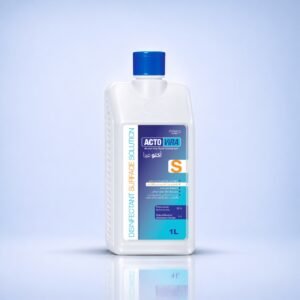
BROADFECT and SEPTA-S RAPID are ready-to-use products for small clinical-contact surfaces. ACTOVIRA A is an alcohol-free option and ACTOVIRA PLUS an alcohol-based one. Use each according to its label and contact time.
Riviera Pharma
How Riviera can help



Meet the ingredients
ProfessionalA scientific summary for pharmacists and physicians; references are published and verified on PubMed.
CDC dental guidance (Kohn 2003) recommends barriers or cleaning and disinfection of clinical-contact surfaces between patients with a registered low-level (HIV/HBV claim) disinfectant, or an intermediate-level (tuberculocidal) product when surfaces are visibly contaminated with blood. Organic load reduces the activity of most germicides (Rutala 2008).
References
- 1Kohn WG, Collins AS, Cleveland JL, et al. Guidelines for infection control in dental health-care settings - 2003. MMWR Recomm Rep. 2003;52(RR-17):1-61. PMID 14685139
- 2Rutala WA, Weber DJ; HICPAC. Guideline for Disinfection and Sterilization in Healthcare Facilities, 2008 (update 2019). Atlanta: CDC.
- 3McDonnell G, Russell AD. Antiseptics and disinfectants: activity, action, and resistance. Clin Microbiol Rev. 1999;12(1):147-179. PMID 9880479
Found it useful? Share it with someone who cares
Reviewed by: Riviera Pharma Scientific Affairs Team. General professional information; it does not replace national infection-control rules, the product label or the safety data sheet.