What it is
A natural organic acid found in fermented foods.
Science · Ingredient
Alpha-hydroxy acid; acidifier and mild antimicrobial
Ingredient profiles describe what an ingredient is and why it is used in formulations. They are not efficacy claims.
A natural organic acid found in fermented foods.
It lowers the pH and weakens germs on the surface of fruit and vegetables, without changing their taste. In intimate washes it keeps the formula mildly acidic, close to the natural acidity of the intimate skin. In an intimate gel or lubricant it keeps the gel at the natural acidity of the vagina, using the same acid that the body's friendly bacteria make.
Lactic acid (2-hydroxypropanoic acid) lowers pH, disrupts the outer membrane of Gram-negative bacteria and increases its permeability, and its undissociated form accumulates inside the cell.
§ Spectrum: clearest effect on Gram-negative bacteria such as Salmonella and Escherichia coli; limited effect on viruses and fungi at food-wash strengths.
§ Use: fruit and vegetable wash solutions, and personal-care products as a pH adjuster.
§ Safety: safe at food levels; the concentrate irritates skin and eyes.
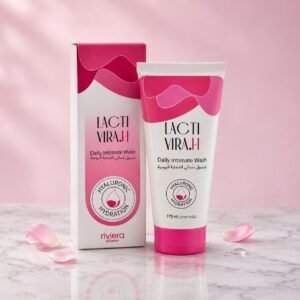
§ Intimate hygiene: vulvar skin is mildly acidic and more susceptible to irritants than other skin, and changes with hormones and age; lactic acid is used to keep intimate washes mildly acidic and soap-free, as favoured by intimate-hygiene reviews.
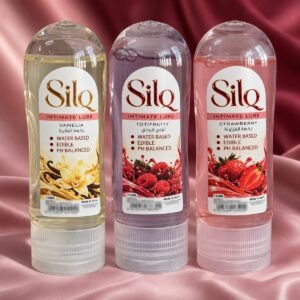
§ Vaginal gels and lubricants: the natural acidity of the vagina comes mainly from lactic acid made by lactobacilli (Boskey 2001). In vaginal fluid, lactic acid at physiological acidity suppressed bacteria associated with bacterial vaginosis, whereas hydrogen peroxide did not (O'Hanlon 2011), and it has anti-inflammatory effects on vaginal epithelial cells (Aldunate 2015). A lactic-acid-based gel therefore matches the vagina's own acid rather than introducing a foreign one.
Riviera products

Solutions
Popular